
The 7 Most Popular Fusion Cuisines in the U.S.
Fusion cuisine has become a major part of the American dining scene. By combining ingredients, cooking techniques, and traditions from different culinary cultures, fusion restaurants create dishes that feel familiar while offering something new
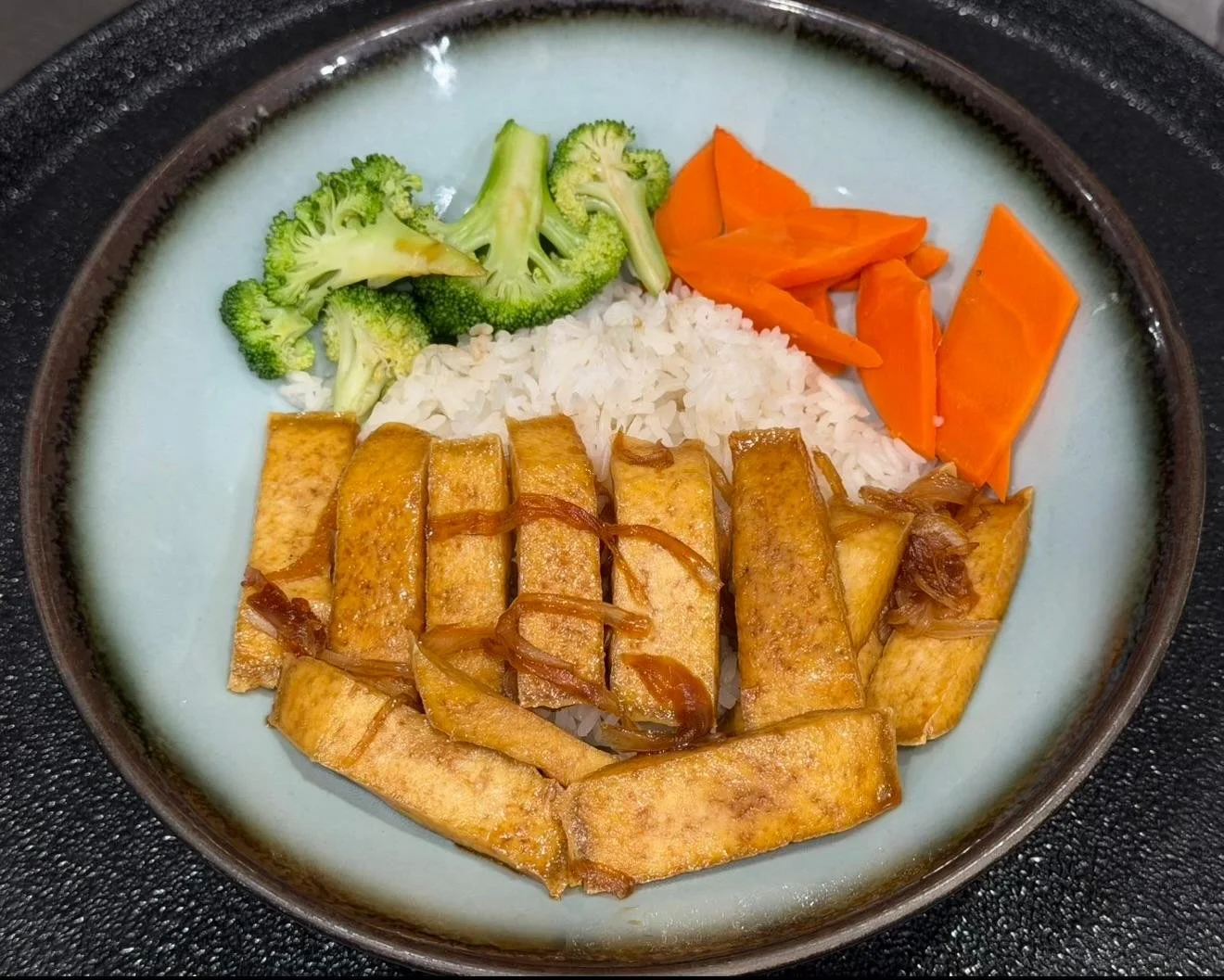
7 most popular fusion cuisines in the U.S
From Asian-inspired combinations to Latin and Mediterranean influences, fusion cuisine continues to evolve across the United States. Here are seven of the most popular fusion cuisines you’ll find on American menus.
1. Asian Fusion
Asian fusion brings together flavors and techniques from different Asian culinary traditions, often with influences from Western cuisine. Rather than following one specific regional style, Asian fusion gives chefs the flexibility to combine ingredients and cooking methods in creative ways.
You may find dishes inspired by Japanese, Chinese, Thai, Korean, Vietnamese, and other Asian cuisines on the same menu. Popular examples include sushi-inspired creations, ramen variations, dumplings, noodle dishes, and dishes featuring bold sauces and spices.
Asian fusion is especially popular because it offers a wide range of flavors while giving diners the opportunity to try familiar dishes in new ways.
2. Mexican-Asian Fusion
Mexican and Asian cuisines share an appreciation for bold flavors, fresh ingredients, herbs, spices, and satisfying textures. Combining these traditions has created a popular fusion style found throughout the U.S.
Examples include Korean-style tacos, sushi burritos, Asian-inspired quesadillas, and tacos featuring ingredients such as teriyaki chicken, kimchi, or Asian slaw.
The combination works because both cuisines offer strong flavors that can complement each other without overpowering the main ingredients.
3. Asian-American Fusion
Asian-American fusion has developed through generations of culinary influence in the United States. It combines traditional Asian ingredients and techniques with American cooking styles and preferences.
This category can include everything from Asian-inspired burgers and fried chicken to noodle bowls, sandwiches, and creative appetizers.
Many modern restaurants use this approach to create dishes that are approachable for a wide range of diners while still incorporating distinctive Asian flavors.
4. Japanese-Peruvian Fusion
Often associated with the culinary traditions of Peru and Japan, Japanese-Peruvian fusion combines Japanese precision and ingredients with the bold flavors of Peruvian cuisine.
This style is sometimes known as Nikkei cuisine. Dishes may incorporate ingredients such as fresh seafood, citrus, chili peppers, soy sauce, and Japanese seasonings.
The result is a distinctive combination of bright, spicy, savory, and fresh flavors.
5. Mediterranean-Middle Eastern Fusion
Mediterranean and Middle Eastern cuisines share many ingredients and culinary traditions, making them a natural pairing for fusion cooking.
Dishes may combine ingredients such as hummus, grilled meats, fresh vegetables, herbs, olive oil, tahini, and warm spices.
Modern restaurants often build on these shared traditions to create plates that combine familiar Mediterranean and Middle Eastern flavors in new ways.
6. Korean-Mexican Fusion
Korean-Mexican fusion has become one of the most recognizable modern fusion combinations in the U.S.
Korean ingredients such as kimchi, gochujang, bulgogi, and Korean barbecue flavors can be paired with Mexican staples including tortillas, tacos, rice, and salsa.
The result is a combination of spicy, savory, tangy, and smoky flavors that has become popular with diners looking for something outside traditional restaurant menus.
7. Indian-Chinese Fusion
Indian-Chinese cuisine combines Chinese cooking techniques with Indian spices, sauces, and ingredients. It has developed into a distinct style of food with its own identity and a strong following.
Popular dishes may include chili paneer, Indo-Chinese noodles, fried rice, Manchurian-style dishes, and spicy stir-fries.
This fusion works particularly well because Chinese cooking techniques provide the foundation while Indian spices add layers of heat and complexity.
Why Is Fusion Cuisine So Popular?
One of the biggest reasons fusion cuisine continues to grow is its ability to offer something different without completely abandoning familiar flavors.
Fusion restaurants can introduce diners to new ingredients while using recognizable dishes, textures, and cooking techniques. This makes fusion cuisine appealing to adventurous diners as well as people who prefer familiar foods with a creative twist.
Fusion cuisine also reflects the multicultural nature of American food culture. As culinary traditions continue to influence one another, chefs have more opportunities to experiment and create new combinations.
Discover Asian Fusion in Redding, CA
For diners in Redding, California, Asian fusion offers an opportunity to explore different Asian flavors and culinary influences in one dining experience.
At Taroko Asian Bar & Grill, guests can explore a variety of Asian-inspired flavors and dishes in a modern restaurant setting. If you'd like to explore the available dishes and options, visit our menu.
Whether you're looking for noodles, dumplings, ramen, or other Asian favorites, exploring different flavors can make every visit a new experience.
If you're looking for Asian fusion in Redding, exploring a menu with a variety of dishes is a great way to discover new flavors while enjoying familiar favorites.
